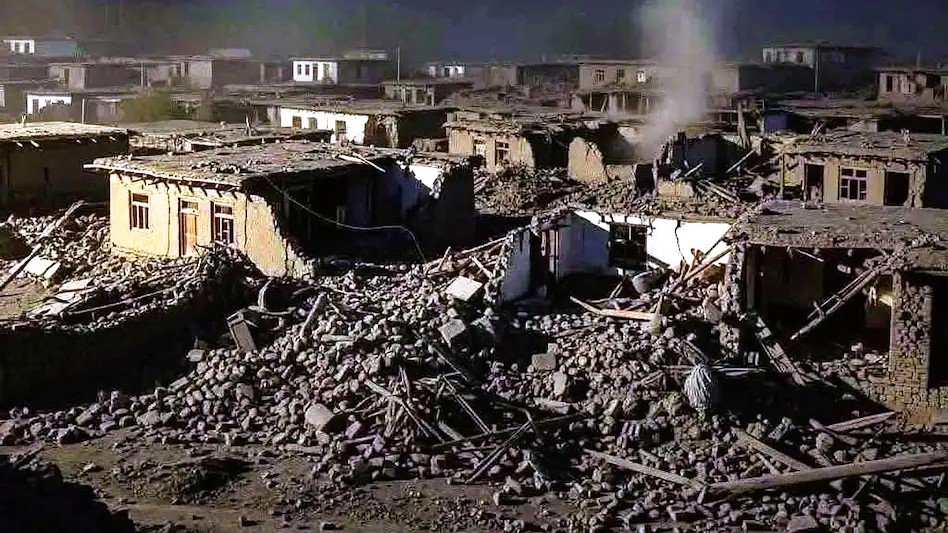
Afghanistan Earthquake
On August 31, 2025, a devastating 6.0-magnitude earthquake struck eastern Afghanistan, primarily affecting Kunar and Nangarhar provinces. This article provides a detailed, point-wise analysis of the earthquake, its impact, rescue operations, international aid, and the challenges faced by Afghanistan in its aftermath. Below is an SEO-optimized guide to understanding the Afghanistan Earthquake 2025, with the latest updates on casualties, damage, and relief efforts.
1. Overview of the Afghanistan Earthquake 2025
- Date and Time: The earthquake hit on August 31, 2025, at 11:47 PM local time (7:17 PM GMT).
- Magnitude and Depth: A 6.0-magnitude quake at a shallow depth of 8-14 km, making it highly destructive. Shallow earthquakes cause stronger surface shaking, leading to greater damage.
- Epicenter: Located 27 km northeast of Jalalabad in Nangarhar Province, near Kunar Province and the Pakistan border.
- Affected Areas: Kunar, Nangarhar, Laghman, and Nuristan provinces, with Kunar being the worst-hit due to its mountainous terrain.
- Tremors Felt: Shaking was reported in Kabul, Islamabad, Lahore, and India’s Delhi-NCR region.
2. Casualties and Injuries
- Death Toll: Estimates range from 610 to over 800 deaths. The Taliban reported 610 deaths in Kunar and 12 in Nangarhar, while UN agencies and other sources cite over 800 fatalities.
- Injuries: Between 1,300 and 2,800 people were injured, with some reports estimating up to 3,000. Nangarhar Regional Hospital received 335 injured individuals.
- Demographic Impact: Many victims include women and children, with entire families buried under collapsed homes.
- Rising Toll: Authorities warn the death toll may rise as rescue teams reach remote areas and more casualties are reported.
3. Damage Assessment
- Structural Damage: Entire villages in Kunar, particularly in Nurgal and Chawki districts, were flattened. Mudbrick and timber homes, common in rural areas, collapsed instantly.
- Infrastructure Impact: Landslides triggered by the quake and recent heavy rains blocked roads, cutting off access to affected areas. Communication networks were disrupted, delaying damage assessments.
- Villages Destroyed: At least three villages in Kunar were razed, with Mazar-e-Dara in Nurgal District reporting dozens of fatalities and nearly 100 injuries.
- Aftershocks: At least five aftershocks, ranging from 4.5 to 5.2 magnitude, caused further damage and fear among survivors.
4. Rescue Operations
- Local Efforts: Taliban security forces, civil defense workers, and local volunteers are combing through rubble to rescue survivors. Residents reported digging with bare hands due to a lack of equipment.
- Military Involvement: The Afghan Ministry of Defense deployed 30 doctors and 800 kg of medical supplies to Kunar. Military helicopters conducted 40 flights, evacuating 420 wounded and deceased individuals.
- Challenges: Mountainous terrain, landslides, and flooding have forced aid workers to walk hours to reach survivors. Helicopters are the primary means of access in remote areas.
- Hospital Overload: Nangarhar Regional Hospital and other facilities are overwhelmed, with shortages of medical supplies and capacity. Blood donation drives have been organized in Kandahar and Nangarhar.
5. International Aid Response
- Countries Offering Aid: Iran, India, Japan, and the European Union have pledged support. India sent 1,000 family tents and 15 tons of food, with more aid planned.
- UN Involvement: UN Secretary-General António Guterres expressed solidarity, with UN teams mobilizing to assist. UNICEF and Save the Children are prioritizing aid for children and families.
- Taliban’s Appeal: The Taliban has urged international humanitarian organizations to provide field hospitals, medical supplies, food, water, and shelter.
- Challenges to Aid: Global funding cuts, including U.S. aid reductions in 2025, have strained Afghanistan’s humanitarian response capacity. Only 28% of the country’s 2025 humanitarian needs are funded.
6. Humanitarian Crisis Context
- Pre-Existing Challenges: Afghanistan faces one of the world’s worst humanitarian crises, with over 23 million people needing aid. Drought, food insecurity, and forced returns of over 2.3 million Afghans from Iran and Pakistan exacerbate the situation.
- Healthcare Strain: The suspension of U.S. aid has led to the closure of hundreds of hospitals and clinics, leaving the healthcare system on the brink of collapse.
- Taliban Governance: Since the Taliban’s 2021 takeover, international aid has dwindled due to sanctions and restrictions on women’s rights, complicating disaster response.
- Vulnerable Populations: Children and women are particularly at risk, with cultural barriers delaying medical treatment for some women.
7. Geological Context
- Seismic Vulnerability: Afghanistan lies on the Hindu Kush fault lines, where the Indian and Eurasian tectonic plates converge, causing frequent earthquakes.
- Recent Earthquakes: The 2023 Herat earthquake (6.3 magnitude) killed over 2,000, and a 2022 quake in Paktika killed at least 1,000.
- Shallow Quake Impact: The 2025 quake’s shallow depth amplified its destructive power, especially in areas with poor-quality construction.
- Landslide Risks: Recent heavy rains and the quake triggered landslides, further isolating communities and hindering rescue efforts.
8. Survivor Stories
- Personal Tragedies: Sadiqullah from Mazar-e-Dara in Kunar lost his wife and two sons, surviving after being trapped for hours.
- Community Devastation: Muhammad Aziz from Nur Gul district reported 10 relatives, including five children, killed, with many still trapped under rubble.
- Emotional Toll: Survivors describe widespread fear, with families sleeping outdoors to avoid aftershocks.
9. Long-Term Challenges
- Displacement: Thousands are homeless, requiring urgent shelter, food, and clean water. Relief camps are being established, but access remains limited.
- Economic Strain: Afghanistan’s economy, already weakened by sanctions and aid cuts, faces further pressure from this disaster.
- Rebuilding Needs: Experts emphasize the need for earthquake-resistant housing and improved early warning systems to mitigate future risks.
- Global Support: Cross-border cooperation and sustained international aid are critical for recovery, given Afghanistan’s limited resources.
10. How to Help
- Donate to Relief Efforts: Organizations like UNICEF, Save the Children, and the Red Cross are accepting donations to provide medical care, shelter, and food.
- Raise Awareness: Share verified information on social media to highlight the crisis and encourage global support.
- Advocate for Funding: Urge governments and donors to restore humanitarian aid to Afghanistan to address both immediate and long-term needs.
Conclusion
The Afghanistan Earthquake of 2025 has left a profound mark on Kunar and Nangarhar provinces, claiming hundreds of lives and injuring thousands. Rescue operations face immense challenges due to rugged terrain, landslides, and limited resources. International aid is critical, but Afghanistan’s ongoing humanitarian crisis and reduced global support complicate recovery. By understanding the scale of this disaster and supporting relief efforts, the global community can help alleviate the suffering of affected families. Stay updated on the latest developments and consider contributing to trusted humanitarian organizations to aid Afghanistan’s recovery.
About the Author