

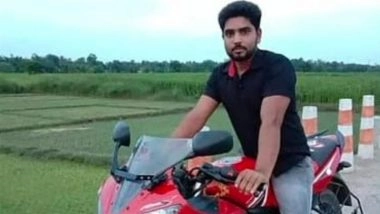
Another Hindu Man Beaten to Death in Bangladesh Days After Dipu Chandra Das Lynching, Raises Fresh Concerns Over Mob Violence
Bangladesh has witnessed yet another shocking incident of mob violence with the killing of a Hindu man, just days after the brutal lynching of another minority community member. The latest case has intensified concerns about law and order, mob justice, and the safety of religious minorities in the country.
The victim in the recent incident has been identified as Amrit Mondal, a Hindu man who was allegedly beaten to death by a mob in the Rajbari district of Bangladesh. The killing occurred only days after Dipu Chandra Das, a Hindu factory worker, was lynched in a separate incident, sparking nationwide and international outrage.
What Happened to Amrit Mondal?
According to local media reports and police statements, the incident involving Amrit Mondal took place late at night in the Pangsha sub-district of Rajbari, located several hours from the capital city Dhaka. Mondal was reportedly confronted by a group of local residents, following allegations linked to an extortion-related dispute.
Witnesses claimed that the situation quickly escalated into violence, with the mob allegedly assaulting Mondal severely. Police were alerted and arrived at the scene, managing to rescue him from the attackers. He was rushed to a nearby hospital in critical condition but succumbed to his injuries shortly after, doctors confirmed.
Authorities said they are investigating the incident and have assured that those responsible will be brought to justice.
Police Version and Investigation
Bangladesh police officials have stated that preliminary findings suggest the incident may have stemmed from a local dispute. Some reports indicate that Mondal had previous criminal cases registered against him, including allegations of extortion. However, law enforcement agencies have emphasized that no allegation justifies mob violence or extrajudicial killing.
Police have launched a formal investigation, recorded statements from witnesses, and begun identifying individuals involved in the attack. Arrests are expected as the probe progresses.
Link to Dipu Chandra Das Lynching
The killing of Amrit Mondal comes close on the heels of another horrifying incident involving Dipu Chandra Das, a Hindu factory worker who was lynched by a mob in a different part of Bangladesh.
Dipu Chandra Das was allegedly attacked after accusations of blasphemy surfaced against him. He was beaten to death, and reports stated that his body was later burned by the mob. That incident triggered widespread condemnation, with human rights groups calling it a clear example of mob justice and failure of law enforcement.
The back-to-back nature of these incidents has heightened fear among minority communities and renewed scrutiny of Bangladesh’s handling of mob violence.
Growing Concerns Over Mob Justice
Human rights activists and civil society groups have repeatedly warned about the increasing trend of mob justice in Bangladesh. While such incidents cut across religious and social lines, minority communities often express greater vulnerability due to their social position.
Experts say that mob violence often erupts due to:
- Rumors and misinformation
- Personal disputes escalating rapidly
- Delays or mistrust in formal legal processes
- Weak enforcement against perpetrators
The recent killings have once again brought these issues into sharp focus.
Minority Safety in Bangladesh
Bangladesh is constitutionally a secular country, and its government has repeatedly stated its commitment to protecting all religious communities. Hindus form the largest minority group in the country, contributing significantly to its cultural and economic fabric.
However, sporadic incidents of violence against minorities continue to surface, particularly in rural areas. Community leaders argue that while many cases are rooted in local disputes, they often take on communal overtones, increasing fear and insecurity.
The deaths of Dipu Chandra Das and Amrit Mondal have led to renewed discussions on whether existing mechanisms are sufficient to prevent such violence and ensure swift justice.
Political and Social Reactions
The incidents have drawn reactions from political leaders, rights groups, and social commentators. Many have condemned the killings and demanded strict action against those involved in mob attacks.
Human rights organizations have urged Bangladeshi authorities to:
- Ensure transparent investigations
- Prosecute all perpetrators without delay
- Strengthen policing in sensitive areas
- Launch awareness campaigns against mob justice
Some analysts have also called for stronger laws specifically targeting mob violence and lynching.
Role of Social Media and Rumors
Observers note that misinformation spread through word of mouth and social media often plays a role in triggering mob violence. In several past cases, false allegations or unverified claims have led to violent outcomes before authorities could intervene.
Experts stress the need for:
- Faster police response
- Community-level conflict resolution
- Responsible use of social media
- Public education on legal consequences
Government Response
The Bangladesh government has not issued a separate statement specifically on Amrit Mondal’s death at the time of reporting, but officials have reiterated that mob violence will not be tolerated.
In earlier cases, authorities have pledged zero tolerance toward extrajudicial killings and emphasized that justice must be delivered through courts, not mobs.
A Pattern That Demands Attention
While each incident may have unique circumstances, rights activists argue that repeated cases point to a broader problem that needs systemic solutions. The deaths of two Hindu men within days have underscored the urgency of addressing mob violence decisively.
Legal experts say consistent convictions and visible accountability are key to deterring such acts in the future.
The killing of Amrit Mondal in Bangladesh, coming so soon after the lynching of Dipu Chandra Das, has once again exposed the dangers of mob justice and the challenges faced by law enforcement in preventing such violence. As investigations continue, the incidents serve as a grim reminder of the need for stronger rule of law, faster justice, and greater protection for vulnerable communities.
How Bangladesh responds to these cases will be closely watched, both domestically and internationally, as calls grow louder for decisive action against mob violence and for safeguarding human rights.