

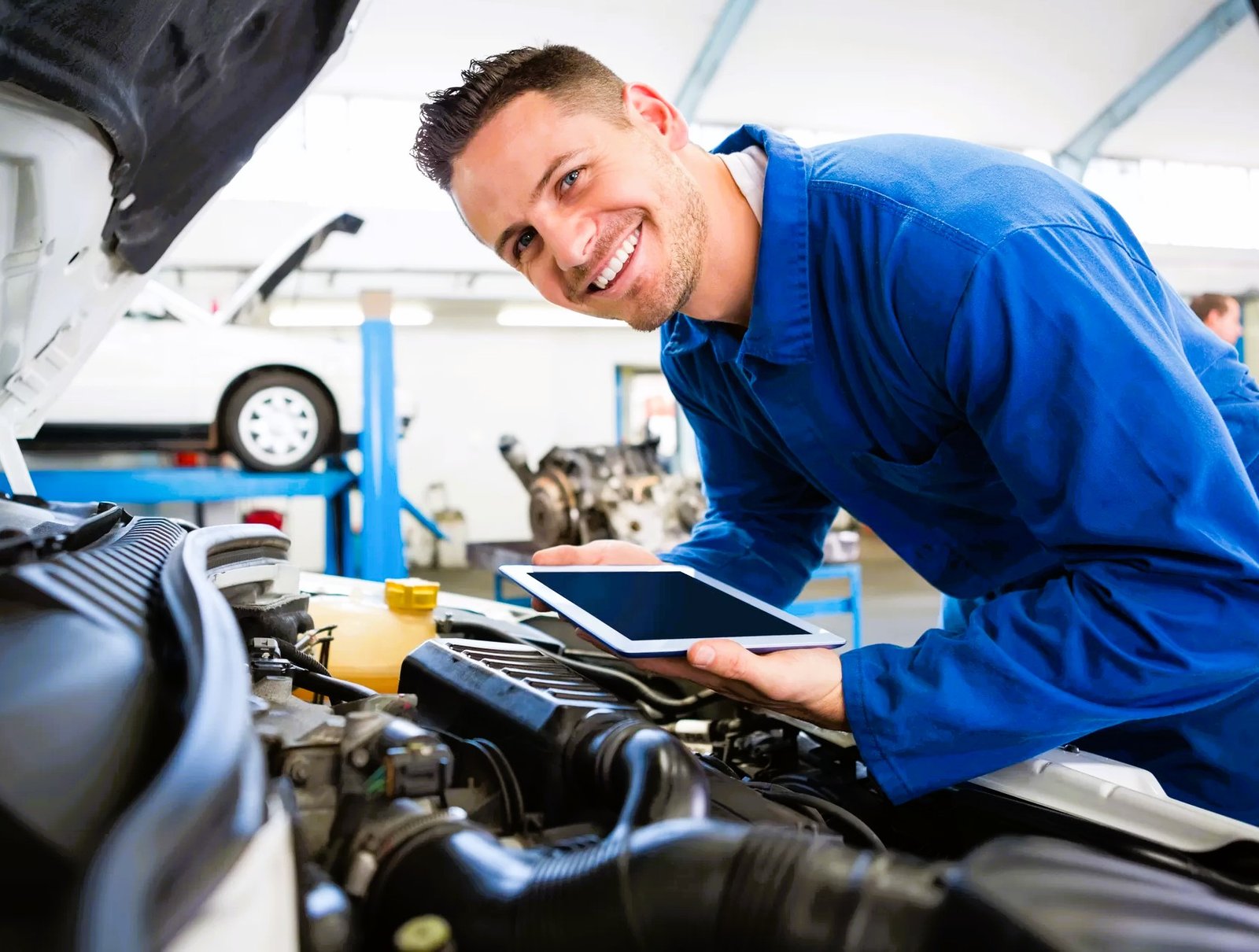
Learning car maintenance is one of the smartest skills for any driver. A self-mechanic does not mean a complete professional like a workshop expert. It means a confident car owner who understands basic repairs, engine parts, and how to identify problems early. The more you know about your car, the more money you save, and the safer your journey becomes.
This guide explains every important part of a car engine in very simple language, along with step-by-step advice on how to become a self-mechanic.
Why Learn Car Maintenance?
There are three major benefits:
- Safety: You can handle breakdowns during travel.
- Savings: Avoid unnecessary workshop bills.
- Control: You understand your car’s performance and lifespan.
Even if you do not plan to do heavy repairs, basic mechanical knowledge provides confidence and independence while driving.
Step-by-Step Plan to Become a Self Mechanic
Step 1: Start with Your Car Manual
Every car comes with an owner’s manual. It includes instructions for engine oil, tyre pressure, fuse details, and dashboard symbols. Reading this book is the first training for a self-mechanic.
Step 2: Learn Basic Tools
Keep a small toolbox in your car:
- Screwdrivers (plus and minus)
- Pliers
- Wrenches and spanner set
- Tyre pressure gauge
- Jack and wheel spanner
- OBD scanner (for error codes)
- Gloves and flashlight
Knowing tools builds confidence.
Step 3: Learn Regular Maintenance
Start with simple tasks:
- Checking oil level
- Coolant level monitoring
- Battery water level check
- Tyre air pressure and tread
- Cleaning air filters
- Replacing wiper blades
These tasks do not require high skill but teach observation.
Step 4: Understand Your Engine
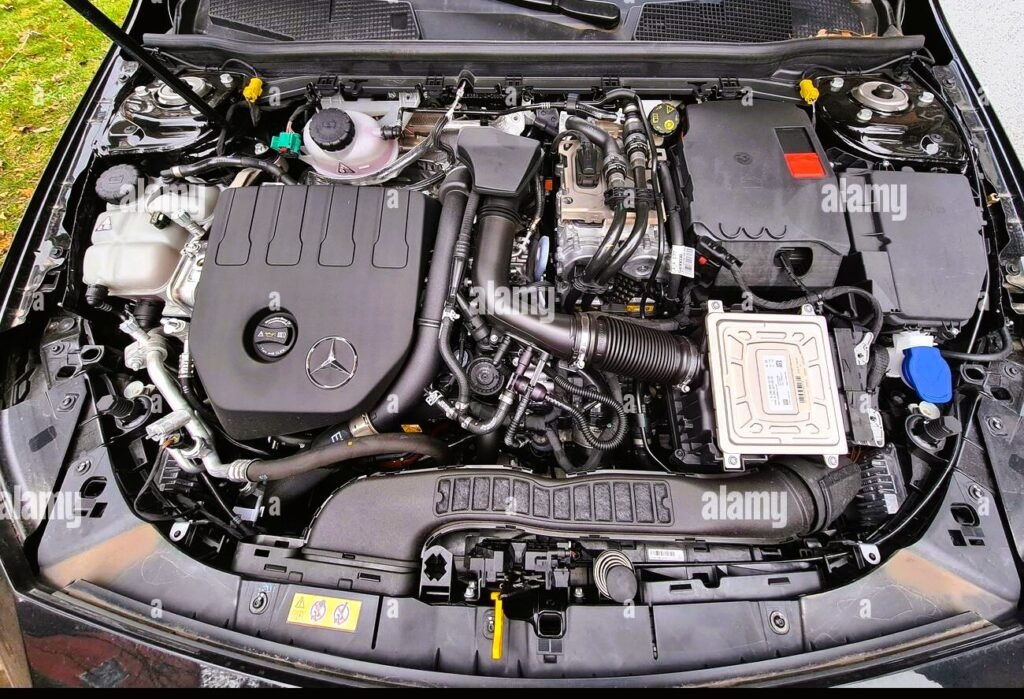
The car engine is like the heart of the vehicle. Once you understand engine parts, diagnosing issues becomes easy.
Now let us understand every major engine component.
Engine Parts Explained in Easy Language
A car engine converts fuel into motion. It works on four key operations known as the four-stroke cycle:
- Intake
- Compression
- Power (combustion)
- Exhaust
To complete this cycle, many components work together.
1. Engine Block
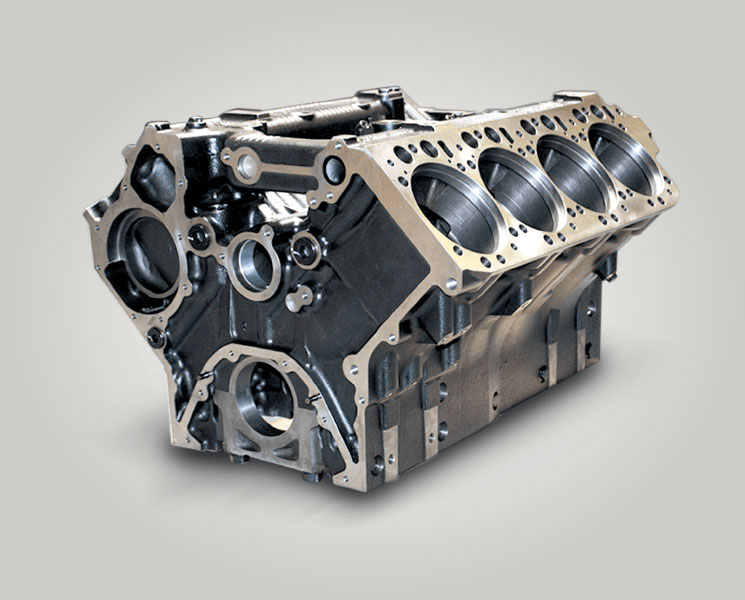
- The main body of the engine.
- It contains cylinders where pistons move up and down.
2. Cylinders
- Long round spaces inside the block.
- Number of cylinders decides engine power (3, 4, 6, 8 etc.).
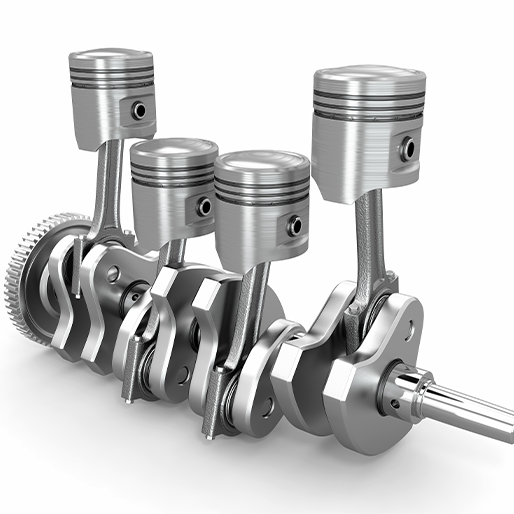
3. Pistons
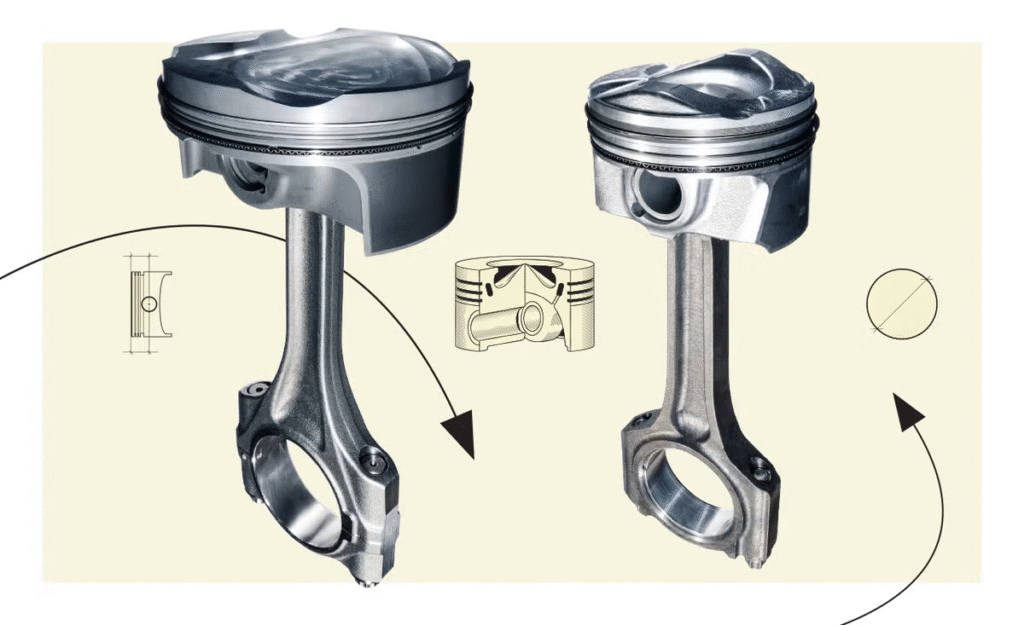
- Metal pieces that move up and down inside cylinders.
- They create power from fuel burning.
4. Crankshaft
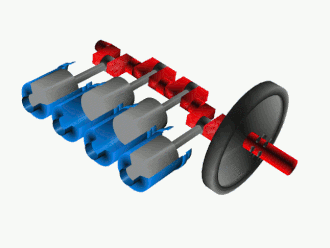
- Connected to pistons.
- Converts piston motion into rotation to move the wheels.
5. Connecting Rod
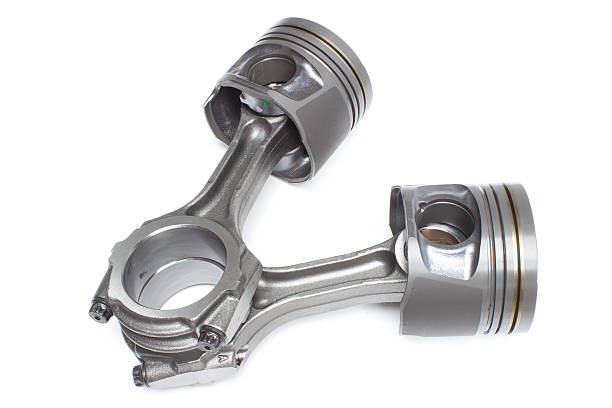
- Joins pistons to crankshaft.
- Transfers motion smoothly.
6. Cylinder Head
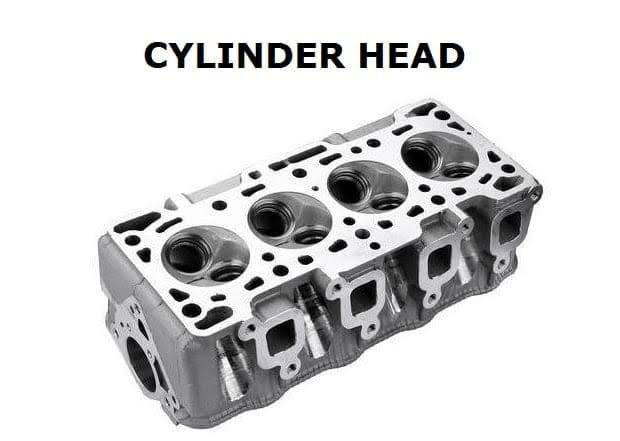
- Fixed on top of the engine block.
- Houses valves and spark plugs.
7. Valves (Intake & Exhaust)
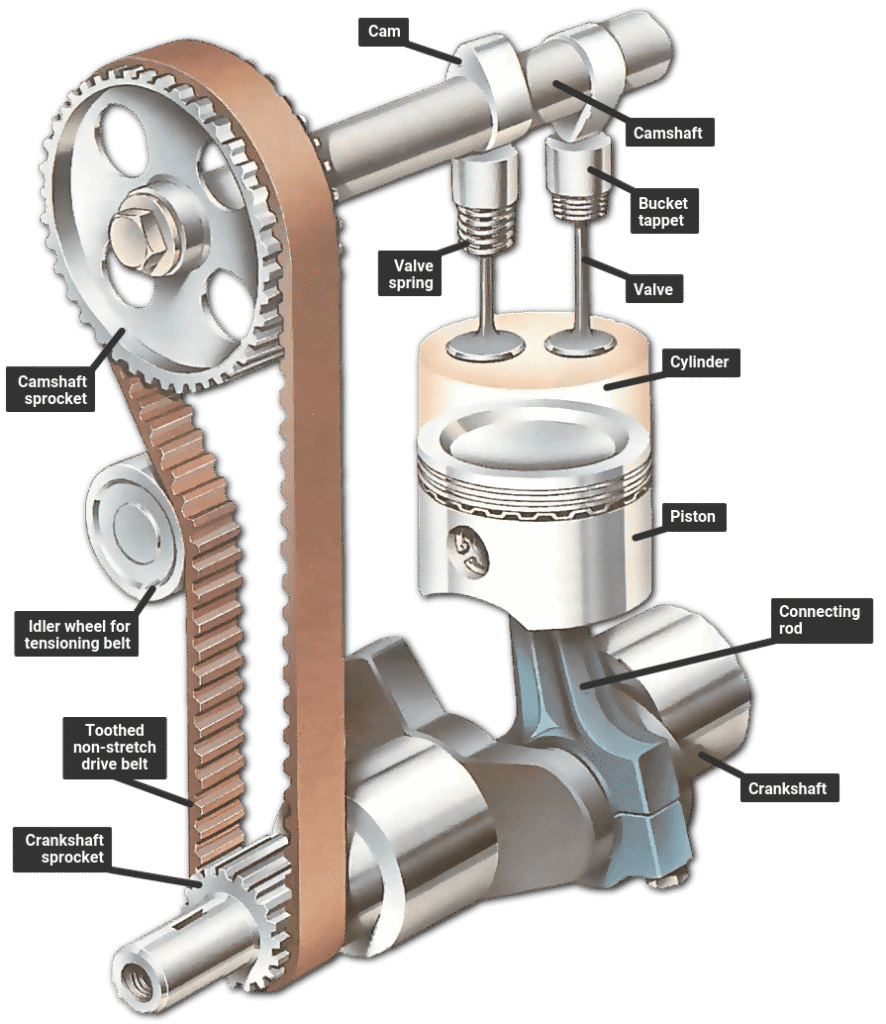
- Intake valve allows air-fuel mixture to enter.
- Exhaust valve pushes out burnt gases.
- Controlled by camshaft timing.
8. Camshaft
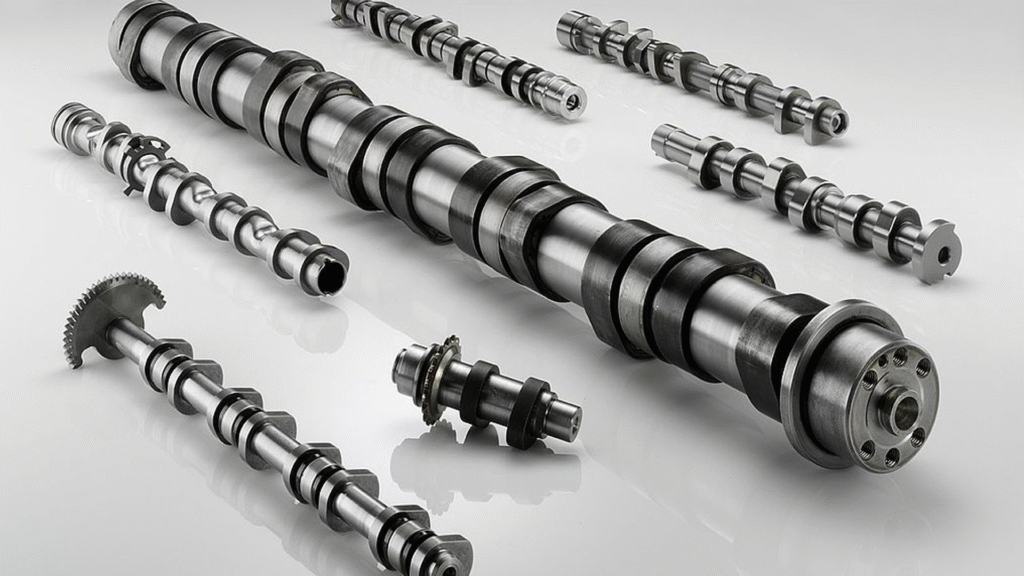
- Controls valve opening and closing.
- Runs with a timing belt or chain in sync with crankshaft.
9. Spark Plug (in petrol engines)
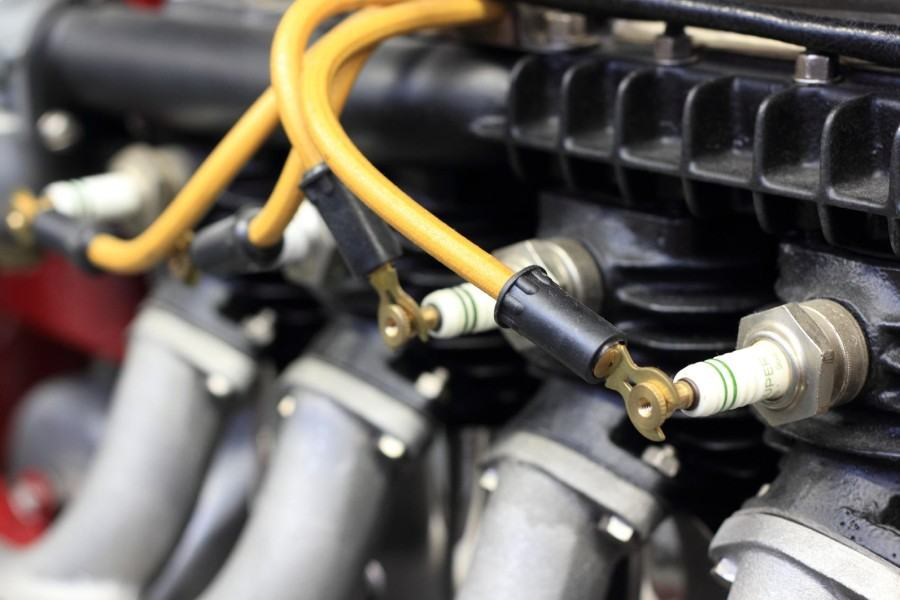
- Creates a spark to burn the air-fuel mixture.
- Bad spark means engine misfire and low mileage.
10. Fuel Injectors
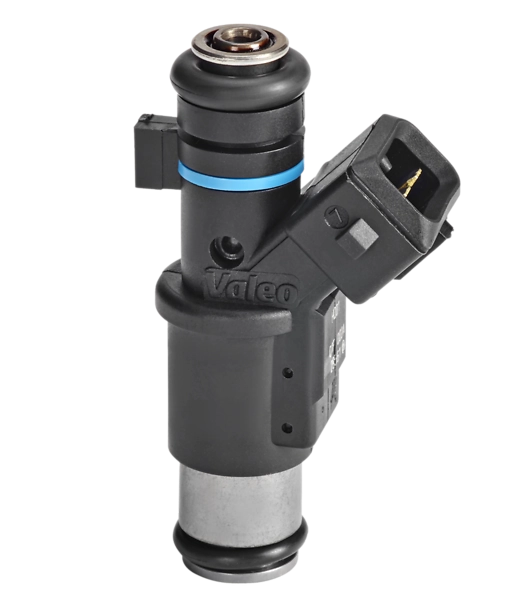
- Spray fuel into cylinders with correct pressure.
- Replaced carburettors in modern engines.
11. Air Filter
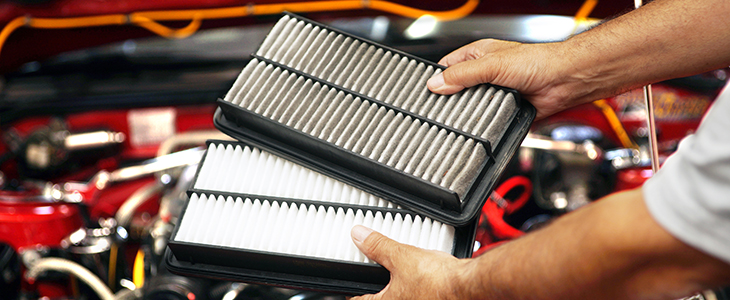
- Filters dust from air entering engine.
- Clean air ensures better performance and mileage.
12. Radiator
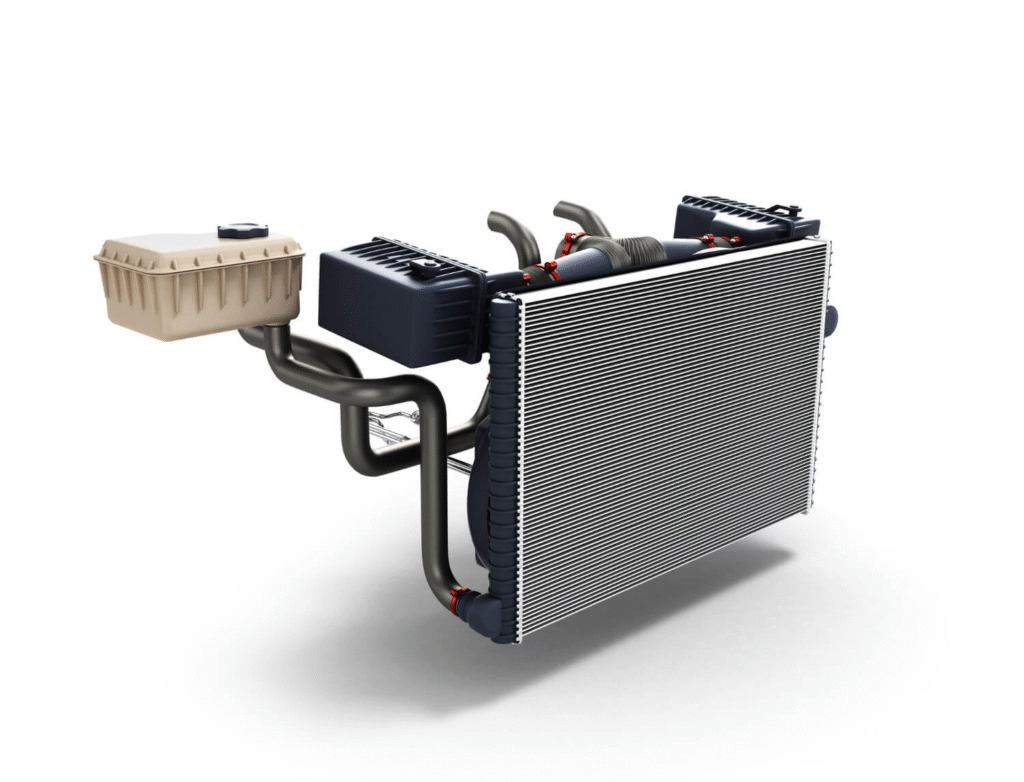
- Part of the cooling system.
- Removes heat from coolant and prevents engine overheating.
13. Coolant
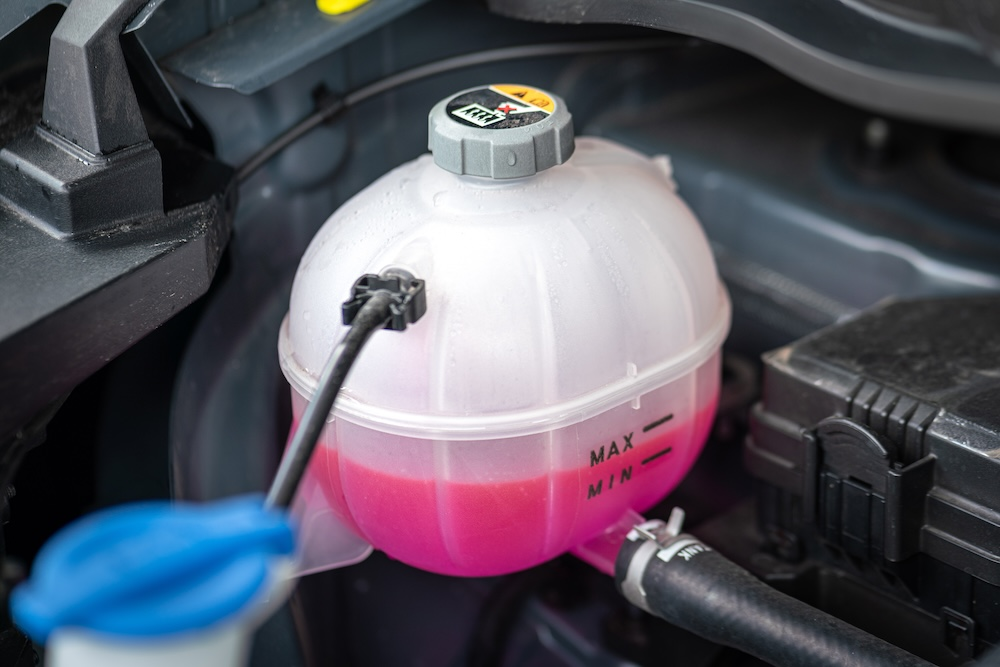
- Special liquid circulating inside engine to control temperature.
- Always keep coolant level correct to prevent damage.
14. Oil Filter
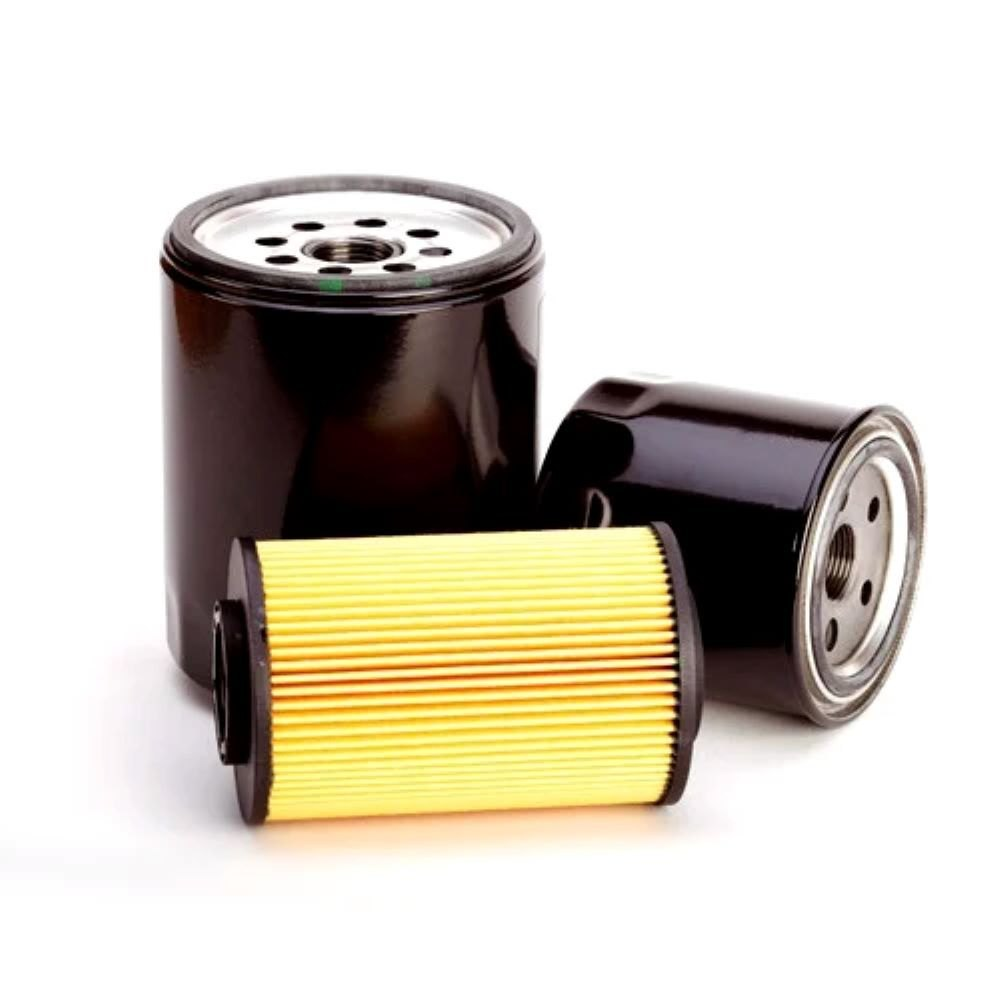
- Filters dirt from engine oil.
- Keep clean to protect engine from wear.
15. Engine Oil
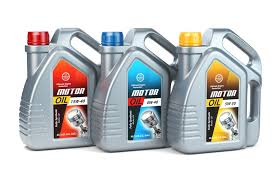
- Lubricates all moving metal parts.
- Regular replacement is essential every 6,000 to 10,000 km depending on car model.
16. Battery
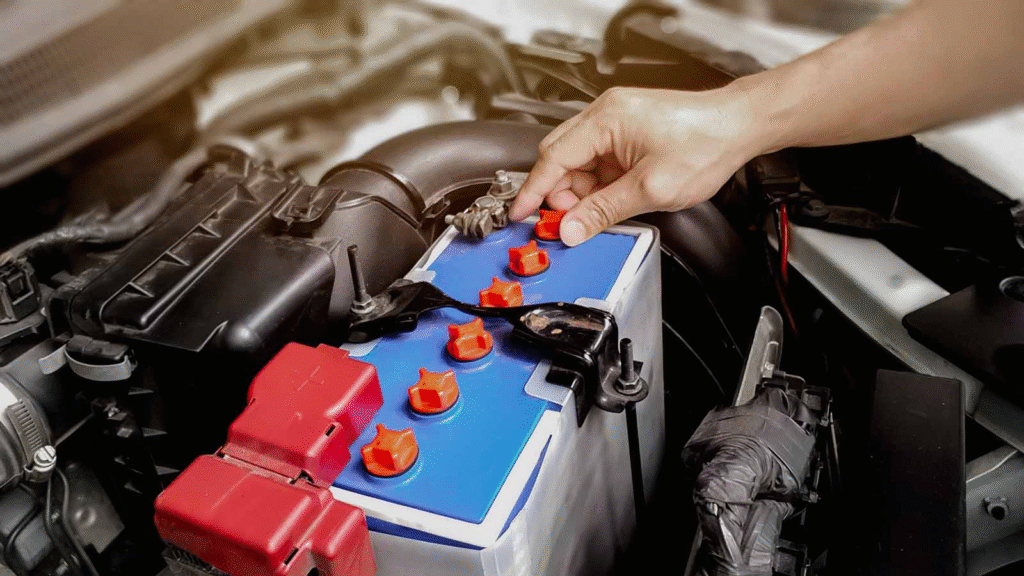
- Provides power to start the engine and support electronics.
- Weak battery results in starting trouble.
17. Alternator
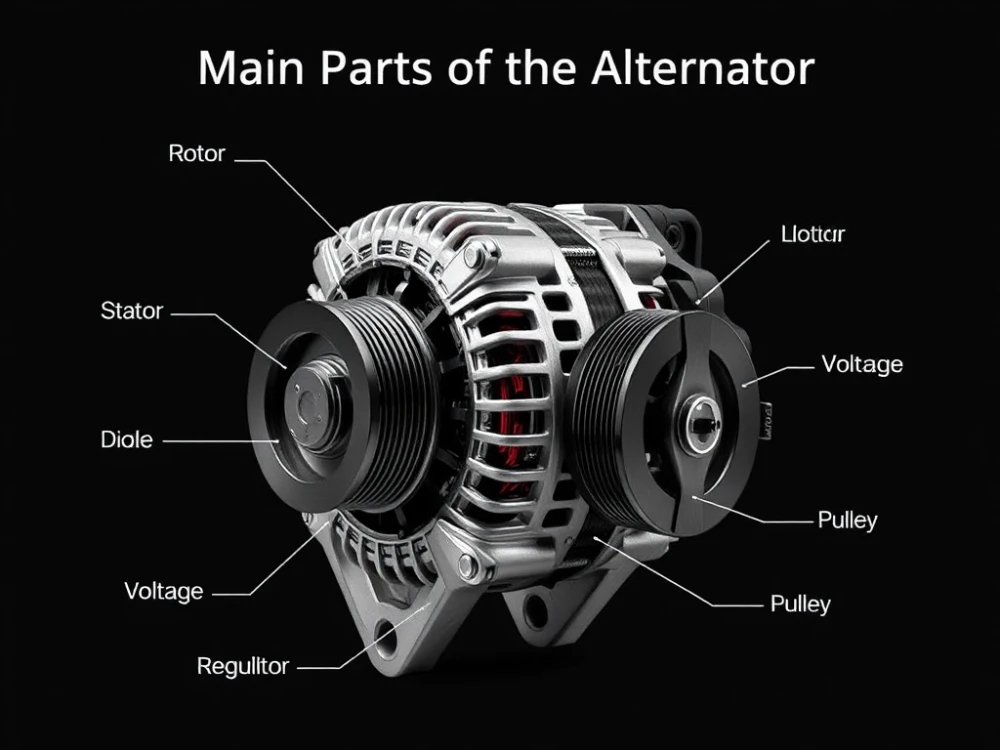
- Charges the battery when the engine is running.
18. Exhaust System
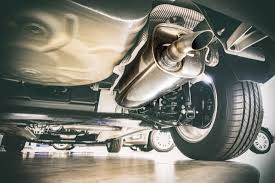
- Removes combustion gases from engine safely.
- Includes catalytic converter to reduce pollution.
How to Diagnose Common Problems Yourself
A self-mechanic should understand symptoms of issues:
| Problem Sign | Possible Cause |
|---|---|
| Car overheating | Low coolant, faulty radiator fan |
| Poor mileage | Dirty air filter, tyre pressure low, injector issue |
| Engine vibration | Worn spark plugs, damaged mounts |
| Hard starting | Weak battery or fuel system issue |
| Strange noise | Loose belt, low oil, internal wear |
Learning to listen, observe, and feel your car’s behaviour is an important skill.
Essential Routine Checks
| Task | Frequency |
|---|---|
| Engine oil level check | Weekly |
| Coolant level | Weekly |
| Tyre pressure | Every 10 days |
| Battery terminals cleaning | Monthly |
| Air filter cleaning | Every 5,000 km |
| Brake fluid check | Monthly |
These simple checks prevent breakdowns.
Safety Measures for Self-Mechanics
- Always park on flat ground before repairs.
- Never open radiator cap on a hot engine.
- Disconnect the battery while working on electrical parts.
- Wear gloves and eye protection.
- Use jack stands for lifting vehicle safely.
Safety must always come first.
Learning Sources to Improve Skills
- YouTube official car service channels.
- Basic automotive repair courses near your city.
- Car manufacturers’ service app.
- OBD scanner mobile apps to read error codes.
Collect knowledge from trusted sources only.
Becoming a self-mechanic is a practical journey. You start from simple checks, learn the engine structure, observe changes, and slowly become skilled enough to handle routine maintenance without fear. The car engine may look complex, but once you understand pistons, valves, fuel, and cooling systems, everything becomes logical.
A self-mechanic not only saves money but creates a better relationship with the machine. Confidence on the road increases, breakdown stress reduces, and the car remains healthy for a long period.