

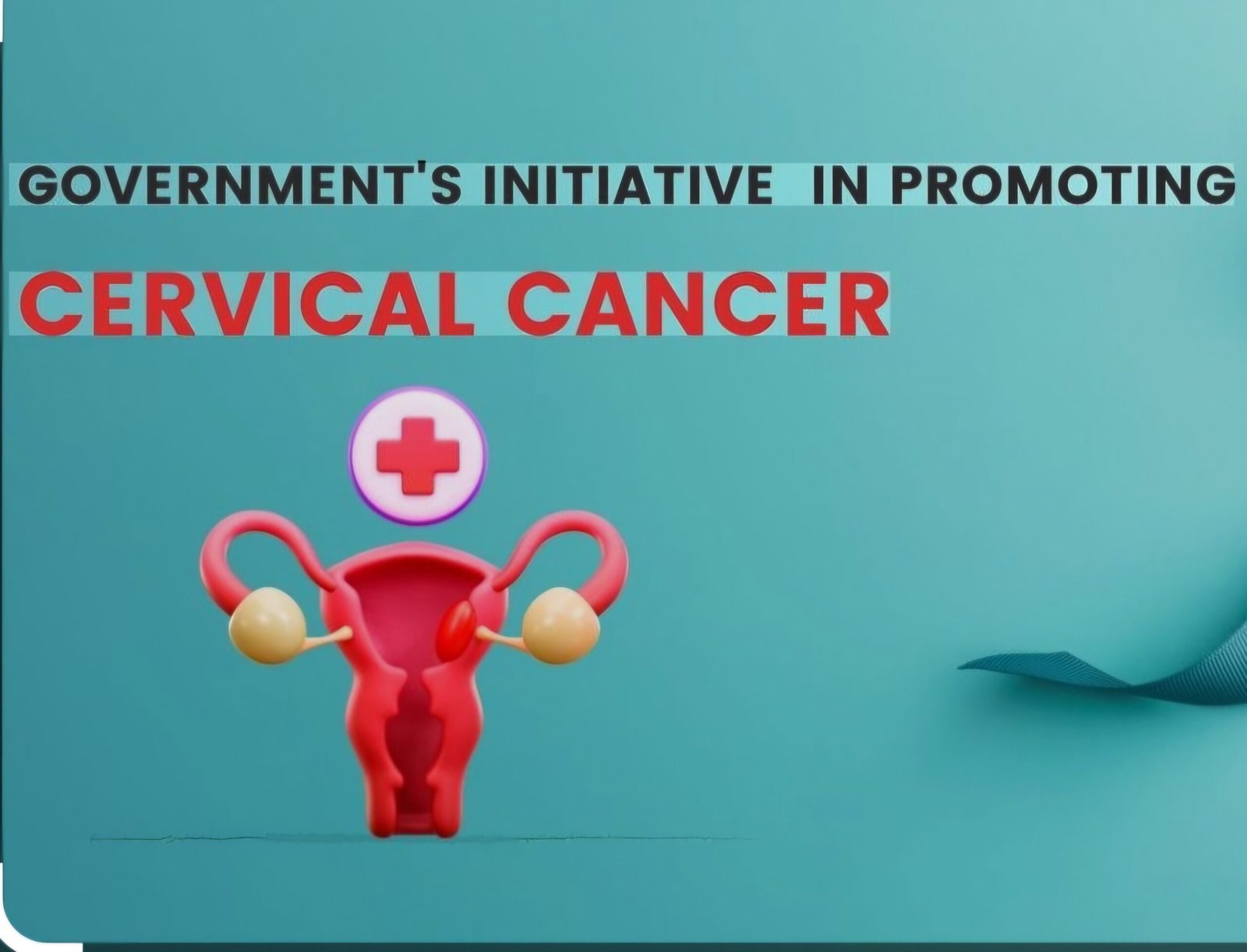
The HPV vaccine is trending heavily in India right now (early March 2026) primarily because of the nationwide free HPV vaccination programme launched by Prime Minister Narendra Modi on February 28, 2026, from Ajmer, Rajasthan.
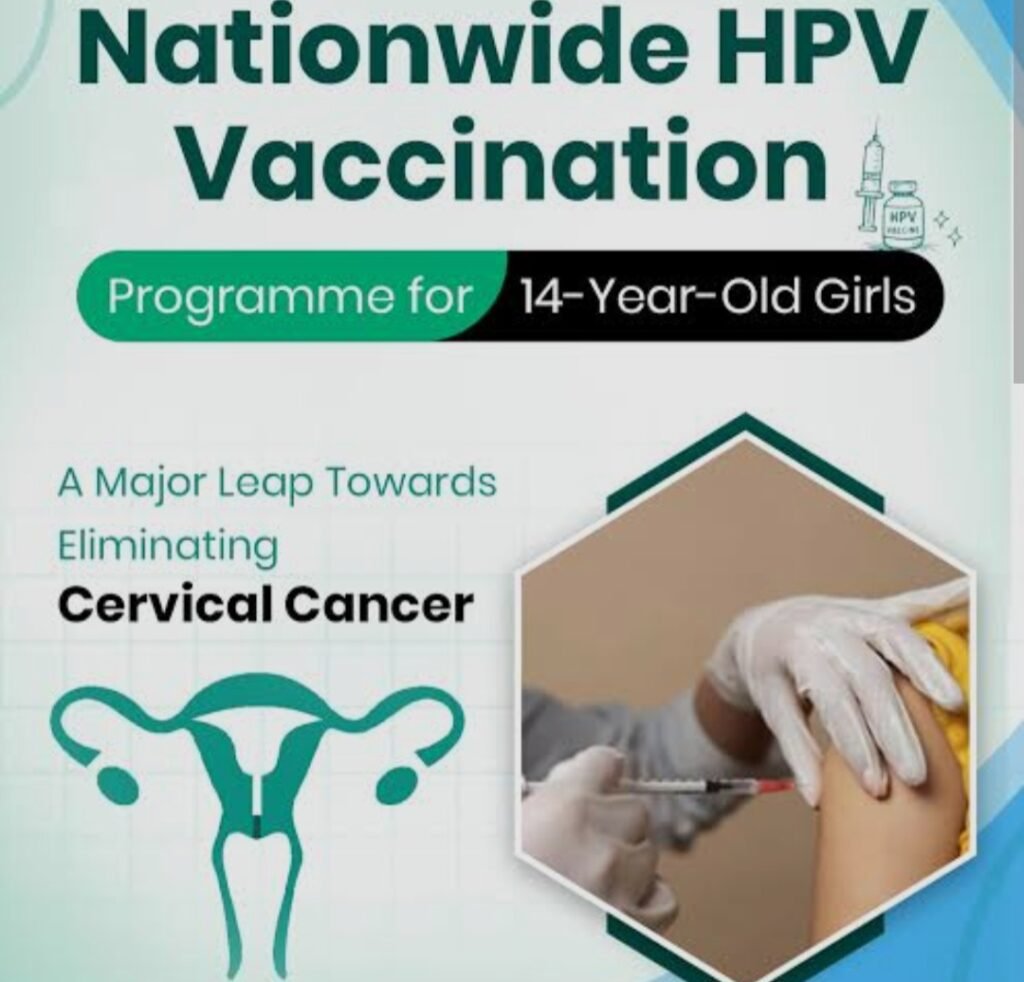
This major public health initiative targets approximately 1.15 crore (11.5 million) girls aged 14 each year, providing a single-dose of the quadrivalent Gardasil-4 vaccine free of cost at government health facilities (like PHCs, CHCs, district hospitals, and Ayushman Arogya Mandirs). The campaign runs as a focused drive (often described as 3 months or ongoing rollout), aiming to prevent cervical cancer — India’s second most common cancer in women, causing over 1.2 lakh new cases and nearly 80,000 deaths annually (per GLOBOCAN data).
Why It’s Generating So Much Buzz
- High-impact announcement: PM Modi’s personal launch, including vaccinating girls on-site and highlighting it as a step toward women’s empowerment and “Swasth Nari, Viksit Bharat,” has dominated news headlines across outlets like The Hindu, Times of India, NDTV, Indian Express, and PIB.
- Massive scale and free access: Covering millions of girls nationwide (with states like Maharashtra, Delhi, and others rolling out locally) makes it a landmark preventive health move, supported by Gavi (vaccine alliance) and aligned with WHO goals to eliminate cervical cancer.
- Social media amplification:
- Positive shares celebrate it as a “game-changer” and “beginning of the end” for cervical cancer (e.g., experts from AIIMS calling it historic).
- Discussions on platforms like X (Twitter), Instagram, Facebook, and Threads focus on eligibility, safety, and importance.
- Some misinformation/fear-mongering (e.g., myths about side effects, fertility, or conspiracies) has also spread, prompting fact-checks from health officials (like ICMR Director General reaffirming 20+ years of global safety data, millions vaccinated, and rare serious issues).
- Broader context: India bears a heavy burden (about 25% of global cervical cancer deaths), so this free program — building on India’s indigenous Cervavac vaccine (though Gardasil-4 is used here) — sparks hope, awareness, and debates on vaccine hesitancy vs. science-backed prevention.
In a landmark move for women’s health, the Government of India launched a nationwide free HPV vaccination programme on February 28, 2026. Prime Minister Narendra Modi inaugurated the initiative from Ajmer, Rajasthan, targeting millions of adolescent girls to combat cervical cancer — one of the leading causes of cancer deaths among women in the country.
What is HPV and Why is the Vaccine a Game-Changer?
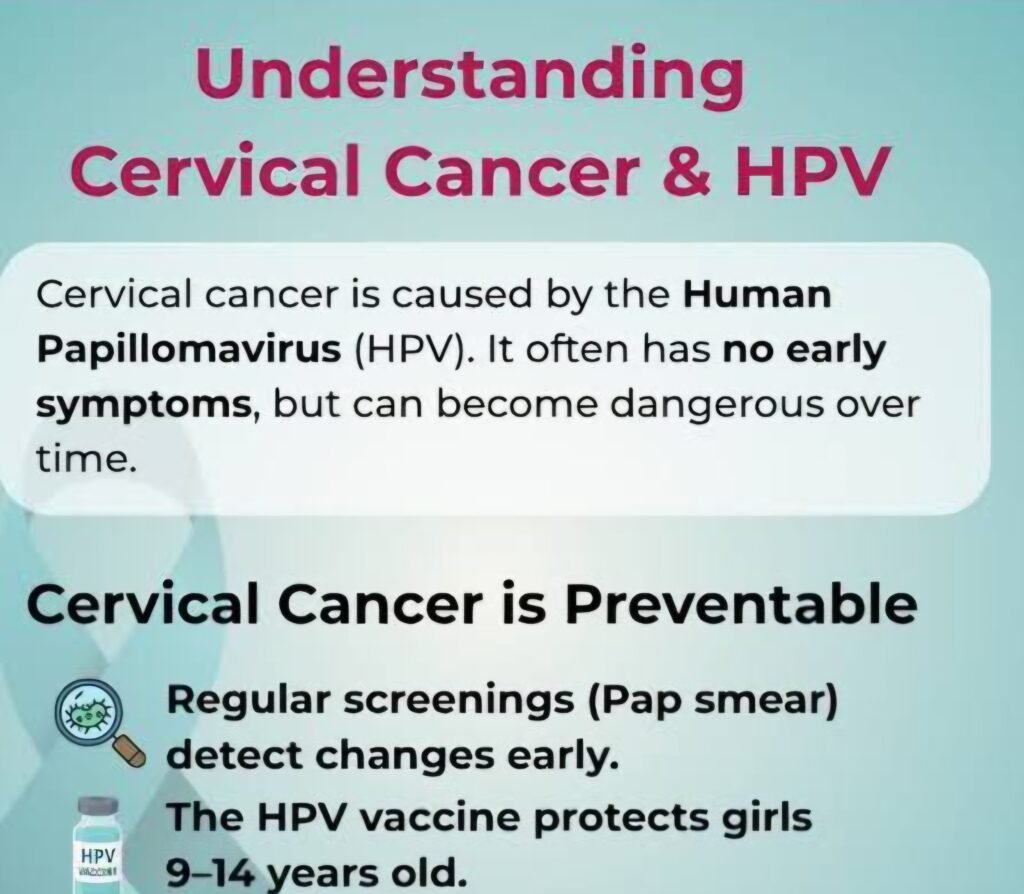
Human Papillomavirus (HPV) is a common virus spread mainly through sexual contact. High-risk strains like HPV 16 and 18 cause over 80-85% of cervical cancer cases in India. The virus can also lead to other cancers (anal, throat, vulvar, vaginal, penile) and genital warts.
Cervical cancer ranks as the second most common cancer among Indian women, with over 120,000 new cases and nearly 80,000 deaths annually (based on recent GLOBOCAN data). India bears a heavy burden, contributing significantly to global figures.
HPV vaccination prevents infection before exposure, offering near 100% protection against the key cancer-causing strains when given early. The single-dose regimen used in India’s program is highly effective (93-100% against targeted HPV types) and provides long-lasting immunity.
Key Details of India’s Free HPV Vaccination Programme 2026
- Launch Date: February 28, 2026, by PM Modi.
- Target Group: Girls aged 14 years (those turning 15 within the initial 90-day campaign window are also eligible).
- Annual Coverage: Approximately 1.15 crore (11.5 million) girls each year.
- Vaccine Used: Single dose of Gardasil-4 (quadrivalent), protecting against HPV types 16/18 (cancer-causing) and 6/11 (warts).
- Cost: Completely free at government facilities.
- Campaign Duration: Intensive 3-month drive (mission mode), with ongoing availability.
- Consent: Voluntary, with informed parental/guardian consent required.
- Process: Girls can self-register via platforms like U-WIN (similar to Co-WIN for COVID). Sessions are supervised by trained medical officers, with 30-minute post-vaccination observation.
This program builds on India’s indigenous efforts (like Cervavac) and WHO recommendations for single-dose schedules in resource-limited settings.
If your daughter is 14 (or eligible under the campaign extension), head to the nearest:
- Primary Health Centre (PHC)
- Community Health Centre (CHC)
- District Hospital
- Ayushman Arogya Mandir
Bring proof of age (like Aadhaar or school ID) and parental consent. Vaccination is available daily during the campaign. For the latest local updates, contact your nearby government health center or check official MoHFW/UP Health Department channels.
Is the HPV Vaccine Safe? Addressing Common Concerns
The HPV vaccine has been used safely in over 160 countries for more than 20 years, with hundreds of millions of doses administered globally. In India, it’s been given safely in the private sector for years.
- Common side effects: Mild — arm pain, redness, swelling, headache, low-grade fever, or dizziness (resolve quickly).
- Rare issues: Fainting (common in teens; sit/lie down post-shot).
- Monitoring: Strict post-vaccination observation and adverse event reporting.
- Serious events: Extremely uncommon; no link to infertility or major illnesses.
Health officials emphasize it’s a science-backed, life-saving tool — not experimental.
The free HPV vaccine 2026 campaign is a golden opportunity for eligible families. Cervical cancer is largely preventable — don’t miss out. For personalized advice, speak to a healthcare provider.Stay informed, spread awareness, and take this simple step toward a cancer-free future for India’s women.