

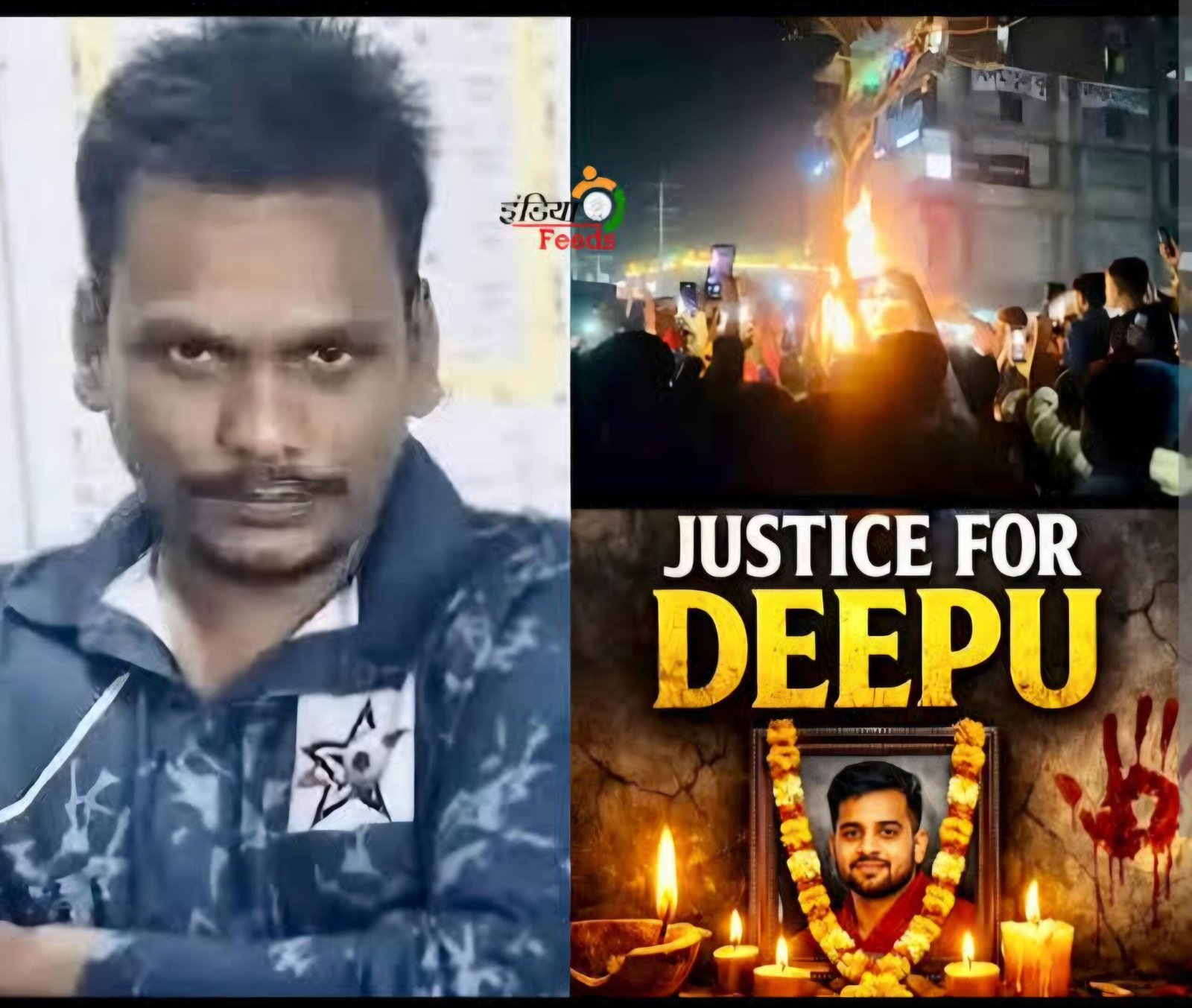
The killing of Dipu Chandra Das, a Hindu man in Bangladesh, has triggered widespread outrage, protests, and international concern. The incident, which took place in December 2025 in the Mymensingh district, has once again raised serious questions about mob violence, religious intolerance, and the safety of minority communities in the country. As details emerged, the case quickly became a flashpoint not only in Bangladesh but also in neighboring India and among global human rights observers.
Who Was Dipu Chandra Das?
Dipu Chandra Das, also referred to in some reports as Deepu Chandra Das, was a working-class Hindu man employed at a local factory in Bangladesh. According to family members and colleagues, he was the sole breadwinner for his family and lived a quiet, law-abiding life. There was no known history of religious provocation, criminal activity, or political involvement linked to him.
His sudden and brutal death shocked his family and community, who insist that he was falsely accused and targeted due to his religious identity.
What Happened: The Incident
On 18 December 2025, Dipu Chandra Das was allegedly accused of blasphemy, a highly sensitive charge in Bangladesh. Reports indicate that a rumor spread rapidly among local residents and workers, claiming that Dipu had made derogatory remarks about Islam. However, police later stated that no concrete evidence supporting the blasphemy allegation had been found.Despite the lack of verification, a mob gathered and attacked Dipu.
According to eyewitness accounts and media reports, he was beaten severely, dragged, and eventually lynched. Some reports further claim that his body was hung from a tree and set on fire, highlighting the extreme brutality of the act.
The violence unfolded rapidly, and law enforcement was either delayed or unable to control the situation in time. By the time authorities intervened, Dipu Chandra Das had already lost his life.
Police Investigation and Government Response
Following public outrage, the Bangladesh interim government strongly condemned the killing, calling it a “heinous and inhuman crime.” Law enforcement agencies launched an investigation, and several individuals were reportedly detained or arrested in connection with the lynching.
Officials stated that mob justice has no place in a democratic society and assured that strict legal action would be taken against those responsible.
The government also promised support to the victim’s family and emphasized that no religion condones such violence.However, human rights groups have questioned whether justice will be delivered swiftly and transparently, citing past cases where mob violence did not always result in strong convictions.
Family’s Allegations and Fear
Dipu’s family has publicly rejected the blasphemy allegations, calling them fabricated and malicious. His brother stated that Dipu may have been framed due to workplace disputes or personal enmity. According to the family, rumors spread deliberately and were weaponized to incite violence.
Since the incident, the family has expressed deep fear for their safety. There are reports that they are considering relocating, possibly even leaving Bangladesh, due to threats and social pressure. Their situation reflects the broader anxiety felt by minority families in similar circumstances.
Protests and Reaction in India
The killing sparked strong reactions in India, where protests erupted in New Delhi and other cities. Demonstrators gathered outside the Bangladesh High Commission, demanding justice for Dipu Chandra Das and greater protection for religious minorities in Bangladesh.
Several protests turned tense, with police intervention required to control crowds. Protesters held placards, raised slogans, and accused Bangladeshi authorities of failing to protect minorities. The incident has also intensified political debates in India regarding regional stability and minority rights in South Asia.
International Condemnation
The lynching drew condemnation from international leaders and organizations. Global voices, including UN officials and foreign lawmakers, expressed concern and urged Bangladesh to ensure accountability and prevent such incidents in the future.
Human rights organizations highlighted the dangers of blasphemy-related rumors and warned against the growing culture of mob justice. They called for stronger legal safeguards, better policing, and public awareness campaigns to counter misinformation and hate-driven violence.
Broader Context: Minority Safety in Bangladesh
Bangladesh is constitutionally a secular country, and the government has repeatedly stated its commitment to protecting all religious communities. However, incidents like the killing of Dipu Chandra Das expose underlying social tensions and the vulnerability of minorities during periods of unrest.
Mob violence fueled by rumors, social media misinformation, and religious extremism has emerged as a serious challenge.
Experts argue that rapid rumor verification, stronger local policing, and community dialogue are essential to prevent such tragedies.The case also highlights how quickly false allegations can escalate into irreversible violence when emotions override law and reason.
Media, Social Media, and Responsibility
Social media played a significant role in spreading news of the incident, but it has also been criticized for amplifying unverified claims.
Activists stress the need for responsible reporting and caution against sharing inflammatory content without facts.
Journalists and civil society members have urged authorities to monitor hate speech online and act swiftly against those who incite violence.
The killing of Dipu Chandra Das is not just an isolated crime; it is a grim reminder of the dangers posed by mob justice, religious intolerance, and unchecked rumors. The incident has strained public trust, ignited cross-border reactions, and brought global attention to minority safety in Bangladesh.As investigations continue, the world will be watching whether justice is delivered and whether meaningful steps are taken to prevent such tragedies in the future. For Dipu’s family, justice is not just about punishment—it is about dignity, truth, and the assurance that no one else will suffer the same fate.