

The ongoing Russia–Ukraine conflict continues to influence global financial markets, creating volatility across equities, commodities, and currencies. Investors worldwide are keeping a close watch on geopolitical developments. Here’s a detailed, point-wise analysis of how the war is shaping markets today.
Key Geopolitical Updates Impacting Markets
- Russia launched new missile and drone strikes on Ukrainian infrastructure, sparking fears of prolonged conflict.
- President Vladimir Putin’s visit to China during the SCO summit signals deeper geopolitical alliances.
- Global leaders are considering fresh sanctions, which could disrupt trade flows and energy supply.
Stock Market Reactions
- European stock markets opened weaker, with German DAX and French CAC facing selling pressure.
- US futures indicated cautious trading as investors digested geopolitical risks.
- Emerging markets saw sharper declines, with higher capital outflows amid risk aversion.
Impact on Commodities & Energy
- Oil prices rose sharply as traders fear disruption in Russian energy exports.
- Natural gas markets remain highly volatile, with European industries facing cost pressures.
- Wheat and grain prices spiked due to Ukraine being a major global exporter.
Sector-Wise Market Impact
- Defense stocks (arms and technology firms) gained as countries increase military spending.
- Energy companies benefited from rising oil and gas prices.
- Industrial and chemical sectors in Europe are under stress due to high input costs.
- Banking stocks showed weakness as investors feared recessionary risks.
Investor Sentiment
- Global investors are shifting to a “risk-off” strategy, reducing exposure to equities.
- Safe-haven assets like gold, bonds, and the US dollar are gaining traction.
- Volatility Index (VIX) spiked, reflecting heightened uncertainty.
Regional Market Breakdown
- Europe: Energy-sensitive markets fell the most due to dependency on Russian gas.
- US: Dow Jones and Nasdaq futures showed mild weakness ahead of Wall Street opening.
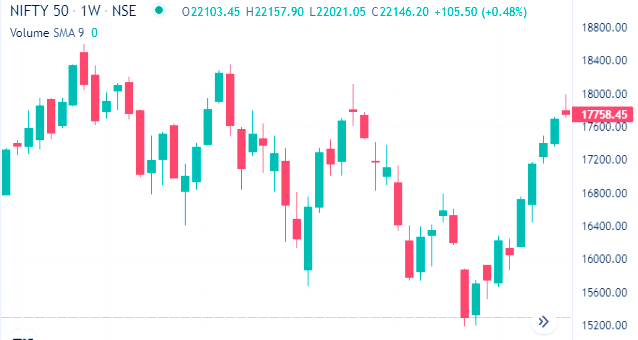
- Asia: Markets like Japan’s Nikkei and India’s Nifty traded cautiously, reflecting global jitters.
Key Takeaways for Investors
- Russia–Ukraine war remains a major driver of short-term volatility in global markets.
- Investors should watch energy, defense, and safe-haven assets for opportunities.
- Emerging markets face higher risks, making diversification crucial.
- Long-term portfolios may need hedging strategies against geopolitical shocks.
Conclusion
The Russia–Ukraine tensions today are not just a regional conflict—they have become a global financial event. From rising oil prices to falling equities, every sector is feeling the impact. Until stability returns, investors should prepare for high volatility, sector rotation, and a stronger tilt toward safe-haven assets.